Climate Change and Children: The Generation That Can’t Wait
The Youngest Faces of the Climate Crisis
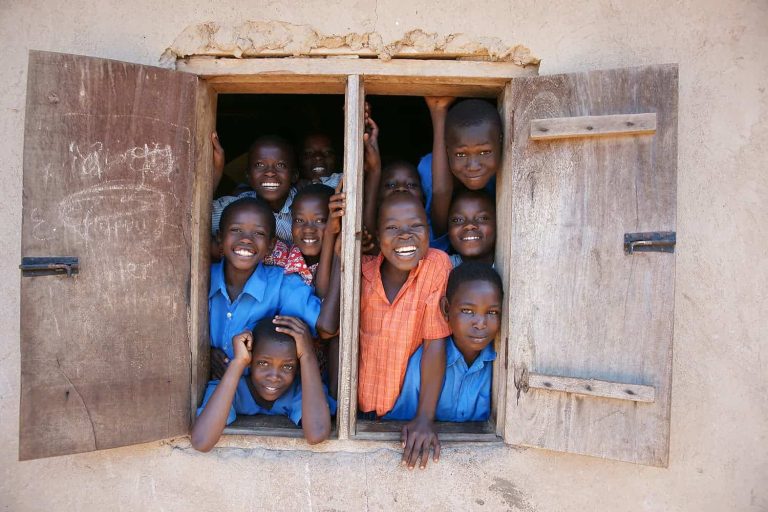
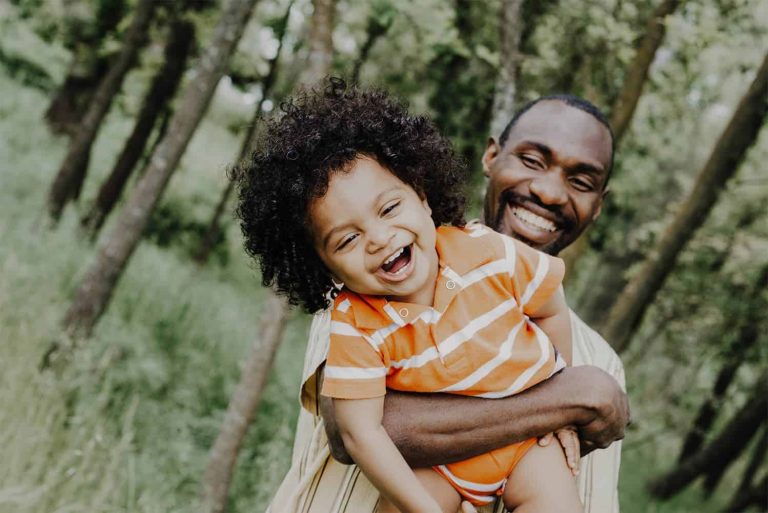
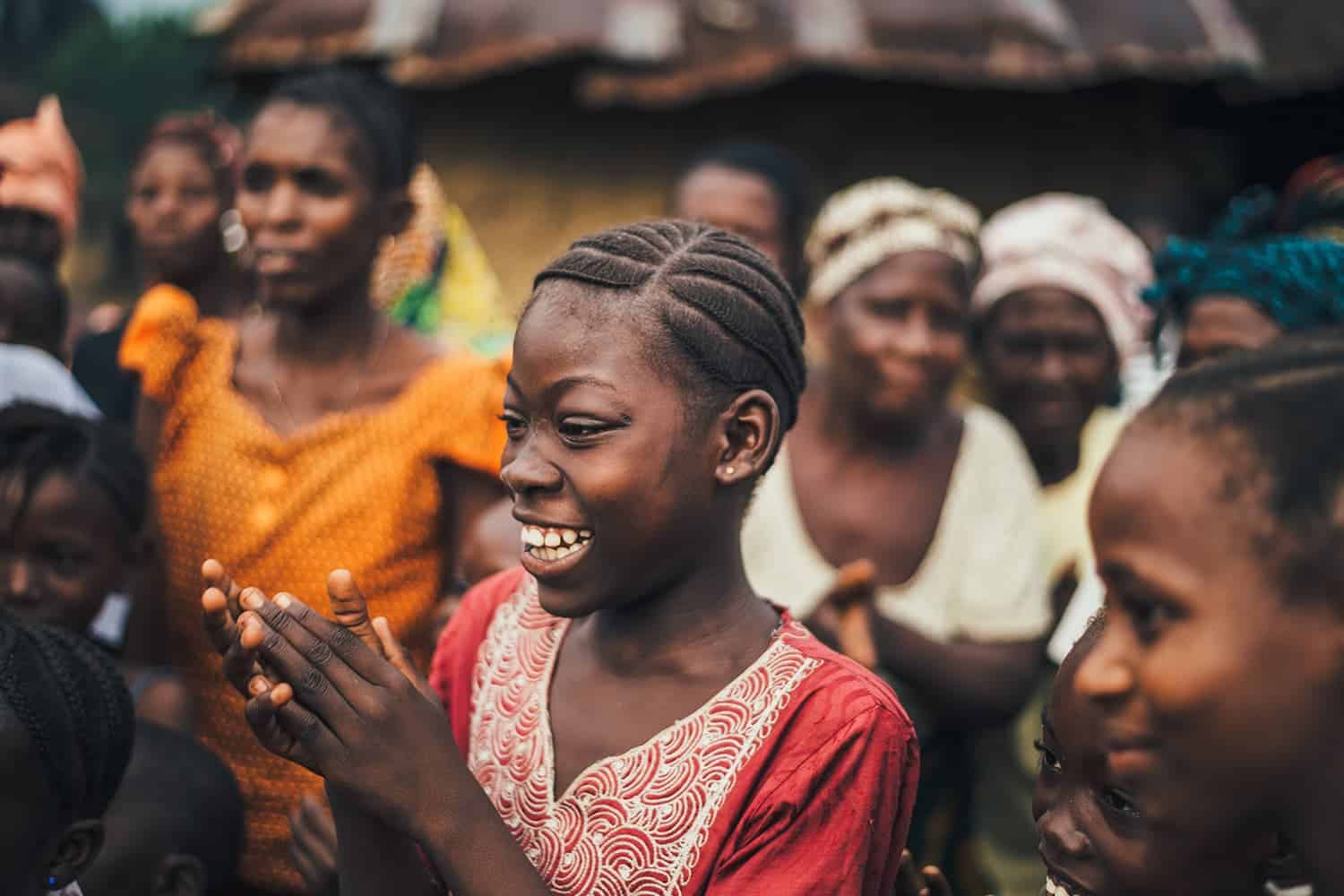
Children may not be the ones responsible for the environmental challenges we face, but they are the ones who will live longest with the consequences. Rising temperatures, polluted air, and unstable food and water systems are shaping their health, education, and opportunities. This isn’t a distant threat—it’s happening now, and the next generation can’t afford to wait.
The Impact of Climate Change on Children
Climate change affects children differently and more severely than adults. Their developing bodies are more vulnerable to pollution, malnutrition, and disease. When environmental disasters strike, schools close, homes are destroyed, and safety nets disappear.
Health Risks
The World Health Organization estimates that over 80% of illnesses and injuries related to climate change affect children under five. Poor air quality leads to asthma and respiratory diseases, while heat waves and contaminated water increase risks of dehydration and infection.
Education Disruptions
Floods, wildfires, and storms often destroy schools or make travel unsafe. In low-income communities, children—especially girls—are more likely to drop out permanently after a disaster. Education, one of the strongest tools against poverty, becomes another casualty of climate instability.
Mental Health and Eco-Anxiety
A growing number of young people report climate anxiety—the fear of environmental collapse and future uncertainty. Constant exposure to alarming headlines and worsening conditions can lead to stress, despair, and helplessness. Yet, when guided toward action, this concern transforms into purpose.
Why Children Must Be Part of the Solution
The next generation has already proven to be one of the most powerful forces for environmental change. From student-led protests to youth-founded nonprofits, children and teens are not waiting for permission—they’re demanding accountability.
The Rise of Youth Activism
Figures like Greta Thunberg and Autumn Peltier have turned local activism into global awareness. But beyond the headlines, thousands of young people are leading community cleanups, tree-planting drives, and recycling initiatives. Their message is clear: change cannot wait for adulthood.
Early Education for Lifelong Impact
Children who learn about sustainability early are more likely to carry those habits into adulthood. Studies show that environmental education leads to measurable changes in household energy use, waste reduction, and water conservation.
At Green Earth Project, we focus on teaching children that sustainability is not an abstract idea—it’s something they can practice daily through choices at home, at school, and in their neighborhoods.
The Role of Schools in Climate Resilience
Schools are more than places of learning—they’re community hubs for adaptation and resilience. Integrating sustainability into education doesn’t just raise awareness; it prepares children to become environmental stewards.
Sustainable School Initiatives
Many schools are adopting green infrastructure such as solar panels, rainwater systems, and composting programs. These projects cut costs, reduce emissions, and teach students firsthand how sustainability works.
Curriculum That Inspires
Subjects like science and geography now increasingly include lessons on renewable energy, conservation, and climate systems. But equally important are lessons in empathy, leadership, and cooperation—qualities that turn knowledge into action.
When Education Meets Action: Case Study
In a public school district in Oregon, Green Earth Project helped introduce a “Growing Green” program. Students learned about biodiversity by maintaining native plant gardens on school grounds. Within a year, the project reduced campus waste by 30%, attracted new pollinators, and inspired students to organize their own weekend cleanup events.
This kind of experiential learning not only benefits the planet—it strengthens self-esteem and teamwork skills that last a lifetime.
The Intersection of Climate Justice and Child Rights
Climate change isn’t just an environmental issue—it’s a matter of equity. Children in underserved communities are disproportionately affected by pollution, heat, and environmental neglect. Addressing climate change means ensuring that every child, regardless of zip code, grows up in a safe and healthy environment.
At Green Earth Project, we prioritize projects that bring clean water, green spaces, and educational opportunities to vulnerable communities. When we invest in children, we invest in the resilience of entire generations.
Empowering the Next Generation to Lead
The most effective climate solutions are those that involve youth as partners, not just beneficiaries.
- Youth Leadership Councils: Giving students a seat at the table in local sustainability planning.
- Volunteer Opportunities: Involving children in tree-planting, recycling drives, and conservation programs.
- Mentorship Networks: Connecting young environmentalists with professionals in green careers.
These initiatives cultivate leadership and show children that their ideas and voices matter.
How Parents Can Make a Difference
Parents play a crucial role in shaping children’s environmental values. By modeling sustainable behaviors—recycling, reducing plastic use, conserving energy—they create learning moments every day.
Encouraging outdoor exploration also helps children develop emotional connections to nature, fostering a lifelong sense of stewardship.
A Collective Responsibility
Protecting children from climate change is not a single-organization mission—it’s a societal obligation. Governments, schools, nonprofits, and families must work together to ensure that future generations inherit not just a planet that can sustain life, but one that nurtures it.
This means stronger policies on clean energy, smarter urban planning, and increased funding for environmental education. It also means listening to young people, whose creativity and courage often outpace adult institutions.
A Generation That Can’t Wait
The future belongs to today’s children, but the responsibility belongs to all of us. Every tree planted, every classroom powered by renewable energy, every lesson on conservation gives them a better chance to thrive.
They are ready to lead, but they need support, resources, and respect. By empowering them now, we ensure that tomorrow’s leaders inherit more than a planet in crisis—they inherit a planet full of possibility.
Join Green Earth Project’s youth programs or sponsor climate education initiatives in your community. Visit greenearthproject.org/volunteer to learn how you can help shape a generation ready to protect the Earth.