Women Leading Change: The Unsung Heroes of Environmental Progress
The Power of Women in Environmental Change
Throughout history, women have stood at the frontlines of environmental protection—often without recognition. From safeguarding water sources to leading grassroots climate campaigns, women have long been defenders of both nature and community. Today, they remain central to the global sustainability movement. Their leadership, empathy, and resilience continue to shape how the world responds to climate change and ecological crises.
Why Women Are Key to Sustainability
Women make up nearly half of the global agricultural workforce and are primary providers of food, fuel, and water in many regions. When ecosystems are damaged, they feel the effects first. But that proximity to the problem also makes them the most capable agents of change.
Empowering women is one of the most effective ways to protect the planet. Studies from the United Nations show that countries with greater gender equality experience higher environmental performance. Women-led programs tend to prioritize community well-being, long-term resource management, and sustainable growth.
The Intersection of Gender and Climate Impact
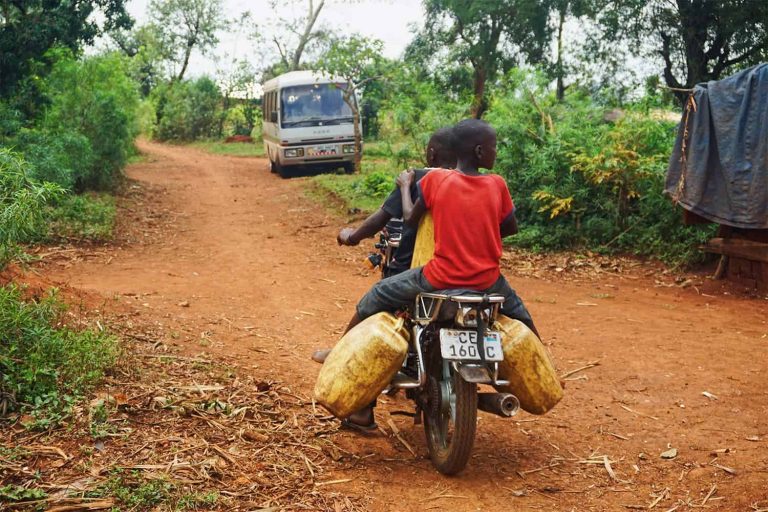
Environmental degradation doesn’t affect everyone equally. In rural and low-income communities, women are often responsible for gathering water and growing food. Droughts, floods, and pollution make those daily tasks harder, increasing both workload and vulnerability.
By including women in decision-making, environmental programs become more comprehensive. Their insights bring balance between ecological preservation and human need—an approach rooted in care rather than consumption.
The Water Guardians
In many regions, women are leading water management efforts that protect ecosystems and improve health. When given the resources, they create innovative solutions—like community-run purification systems and rainwater harvesting initiatives. These not only provide clean water but also reduce the time women spend collecting it, freeing them for education and entrepreneurship.
Leading by Example: Women Transforming the Planet
From global policy to grassroots organizing, women are redefining environmental leadership.
Vandana Shiva – India
A physicist turned environmental activist, Vandana Shiva founded the Navdanya movement, which promotes biodiversity and sustainable farming. Her advocacy has helped preserve native seed varieties and empower thousands of rural women farmers.
Christiana Figueres – Costa Rica
As the architect behind the Paris Climate Agreement, Figueres proved that persistence and diplomacy can unite nations under one shared goal—protecting the Earth’s future.
Wangari Maathai – Kenya
The late Nobel laureate founded the Green Belt Movement, which has planted more than 50 million trees while empowering women with income and leadership opportunities. Her work showed that reforestation and women’s rights go hand in hand.
Local Heroes
At Green Earth Project, we see women leading environmental education programs, managing reforestation sites, and mentoring young sustainability advocates. Their leadership ensures that progress continues long after each project ends.
How Empowering Women Benefits Everyone
When women participate fully in environmental initiatives, entire communities benefit.
Healthier Ecosystems
Women tend to focus on long-term land and water management rather than short-term extraction. This mindset protects biodiversity and reduces pollution.
Stronger Economies
Microfinance programs that fund women-led green businesses lead to better reinvestment in local economies. Women often direct income toward education, food security, and health—all of which improve resilience.
Education and Awareness
Women educators and community leaders teach sustainability in ways that resonate across generations. When mothers and teachers model environmental stewardship, they influence entire families and communities.
The Barriers Women Still Face
Despite progress, women remain underrepresented in environmental leadership roles. Structural inequalities limit access to land ownership, financing, and education. Cultural barriers also discourage participation in industries like renewable energy and conservation science.
Breaking these barriers isn’t just a matter of equality—it’s essential for survival. Without full inclusion, we lose half the world’s potential solutions.
Building a More Inclusive Future
At Green Earth Project, inclusivity is core to every initiative. Our programs aim to:
- Train women in sustainable agriculture and reforestation to create local jobs.
- Support women-led environmental enterprises through small grants and mentorship.
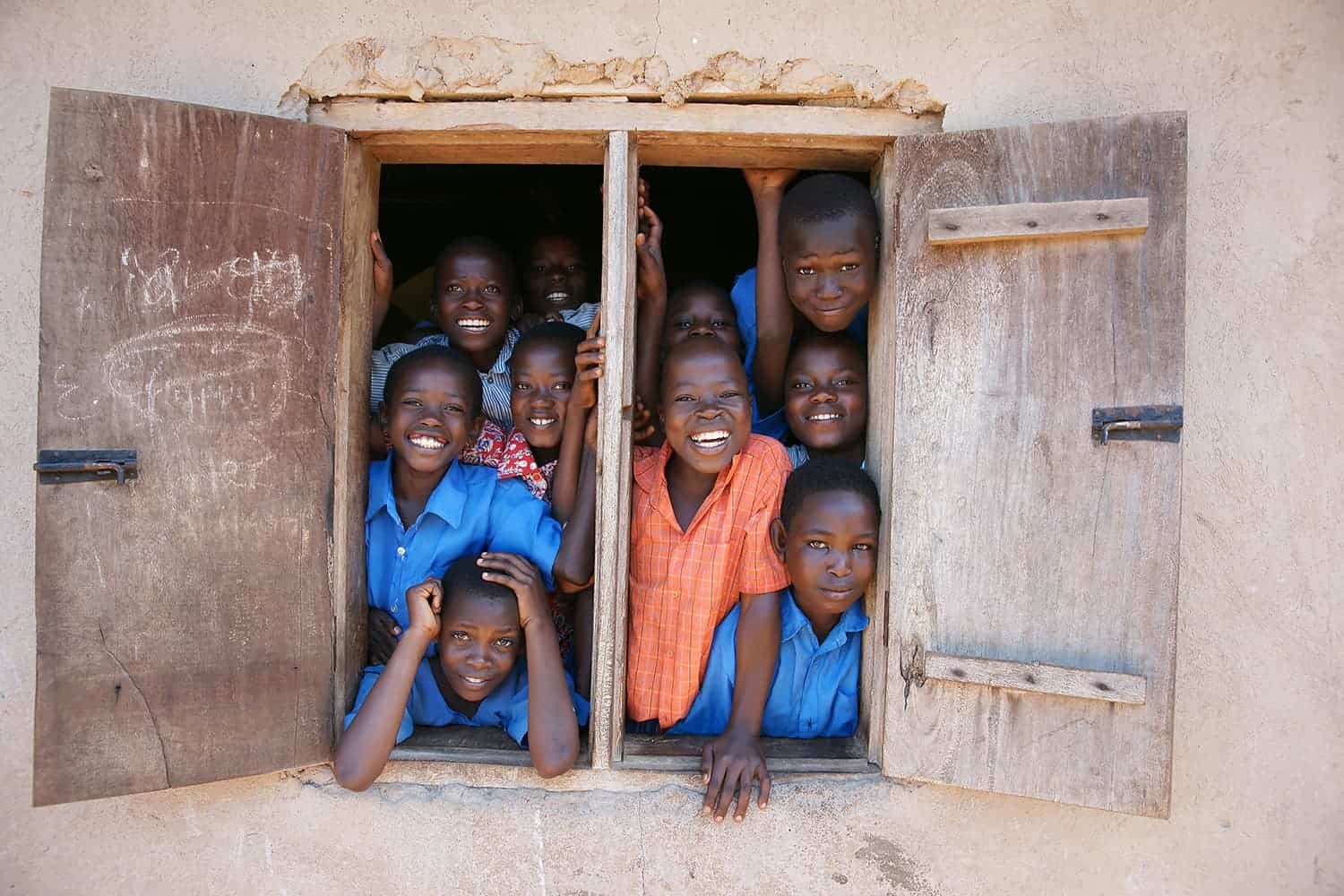
- Promote education and leadership development for girls pursuing green careers.
- Ensure representation of women in every project planning and evaluation process.
This isn’t charity—it’s strategy. Communities thrive when women have equal voice and agency.
The Link Between Women and Climate Resilience
Communities where women lead environmental planning are better equipped to adapt to climate change. Their focus on health, family, and natural balance makes recovery strategies more holistic.
Research from the World Bank shows that when women are involved in resource management, sustainability outcomes improve dramatically—from reduced deforestation to better water conservation.
Real Stories of Change
In New Mexico, Green Earth Project supported a group of women farmers who restored 50 acres of desert soil through regenerative farming. Their techniques reduced water use by 30% and created local employment.
In Georgia, a volunteer-led women’s coalition transformed an abandoned lot into a pollinator garden that now serves as an outdoor classroom for local schools.
These examples prove that progress grows faster when women lead it.
How You Can Support Women in Sustainability
- Donate to programs that fund female-led green projects.
- Mentor or partner with women in sustainability roles.
- Share their stories to inspire visibility and representation.
- Advocate for equal inclusion in environmental policymaking and education.
Every supporter becomes part of the network that uplifts female leadership and multiplies its impact.
Conclusion: A Future Shaped by Her Hands
The path to sustainability is also the path to equality. Women are already leading the charge—replanting forests, protecting water, and reshaping the future of energy and agriculture.
By amplifying their voices, funding their work, and learning from their leadership, we can create a world that thrives in balance. The future of our planet is not just green—it’s inclusive.
Join Green Earth Project in empowering women who are changing the planet. Visit greenearthproject.org/donate to support, volunteer, or sponsor an initiative today.